Alto High Speed Rail Line
What’s the issue?
The proposed Alto high-speed rail project is being positioned as a nation-building initiative, promising faster, electrified passenger service across Canada’s busiest corridor while delivering economic growth, reduced emissions, and improved connectivity between major cities. With trains reaching speeds of up to 300 km/h and a network spanning approximately 1,000 kilometres, the project aims to cut travel times in half and provide a viable alternative to driving and flying, supporting Canada’s climate goals and long-term infrastructure needs.
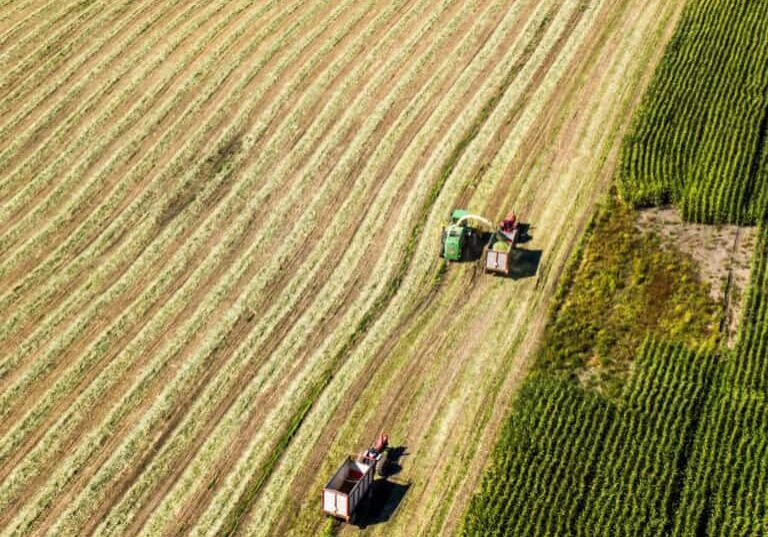
Significant concerns have emerged regarding the project’s development and implementation. Questions around transparency, limited access to supporting data, and an accelerated consultation process have raised alarms among stakeholders—particularly in rural and agricultural communities. The proposed routes would require extensive land acquisition, including the expropriation of farmland, with potential impacts on farm operations, local economies, and generational land ownership. Environmental risks, including effects on waterways, wetlands, and sensitive ecosystems, also present as key issues.
As the project moves through its planning and consultation phases, there is growing demand for a more open, inclusive, and evidence-based approach—one that balances national infrastructure goals with the rights, livelihoods, and environmental stewardship of the communities most directly affected.
Learn More
“First, this is the least transparent mega-project in recent memory. Alto is wrapping up a “consultation” process without having released a feasibility study or business plan . . . Second, leadership has embraced a public-private partnership model where . . . rather than offering discrete private contracts for specific pieces of work—with clearly-defined timelines and budgets—this model will severely limit public oversight and guarantee that, when the project goes over-budget, taxpayers will be the only party held accountable . . . Third, successful HSR projects build from and rely on a strong foundation of existing, complementary public transportation infrastructure. We do not have that foundation.”
Alto High Speed Rail: The Wrong Project, in the Wrong Way, at the Wrong Time
“Good rail policy does not require bad farmland policy. Farmland is not vacant land, and it is not an “empty corridor.” It is a strategic, finite, and irreplaceable public resource. Productive farmland supports livelihoods, local food production, rural economies, and long-term food security and the revitalization of Indigenous food ways. This is especially true where farms include orchards, perennial plantings, maple bush, woodlots, pastures, and other long-term agricultural investments that cannot simply be relocated.”
NFU-O Policy Position on the Alto High-Speed Rail Project
Our Goals
NFU-O calls for a project process that addresses farmland loss and farm business impacts, environmental and ecological impacts, expropriation, and public-interest and affordability questions. This process should be transparent and consultative with democratic accountability. In particular:
- Farmland protection must be a starting principle, not an afterthought.
- Existing transportation and infrastructure corridors must be prioritized.
- No expropriation or route finalization without full public disclosure.
- Agricultural impact assessments must be mandatory.
- Meaningful consultation and Free, Prior and Informed Consent (FPIC) must occur early, directly, and transparently.
- Farmers must have full legal, technical, and financial support.
- No weakening of environmental assessment or expropriation safeguards.
- The burden of proof must rest with Alto and governments.
Our Actions
- March 2026: NFU-O puts out a media statement.
- March 2026: Leadership meets with CBC for an interview.
- March 2026: NFU-O holds a Town Hall.
- March 2026: NFU/ NFU-O leadership meets with Alto representatives
- Spring/ Summer 2026: NFU-O holds ongoing working group meetings as consultation evolves
- April 2026: NFU-O sends email to members about denying access to properties
- April 2026: NFU posts a media release
- April 2026: Alto asks for us to join a Technical Consultation Working Group
- April 2026: NFU-O sends members a reminder to participate in consultation period
- April 2026: First NFU Alto working group meeting
Take Action
Open for Signatures until May 28, 2026, at 9:31 a.m. (EDT) Sign the Petition!
Join our Alto Working Group
These articles might also interest you:
Northeast Pickering Secondary Plan
The Pickering Lands
Conservation Authority Amalgamation

Member profile: Meet Manish, of Gaia Organic Seeds
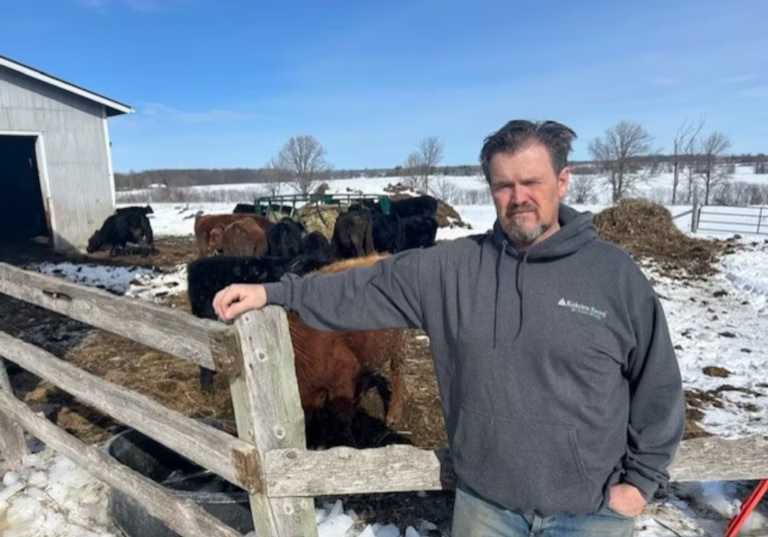
Eastern Ontario residents raise concerns proposed high-speed rail will impact farms
2025 Year In Review

Food. Sovereignty. Justice. Building Collective Strategies The 56th Annual Convention
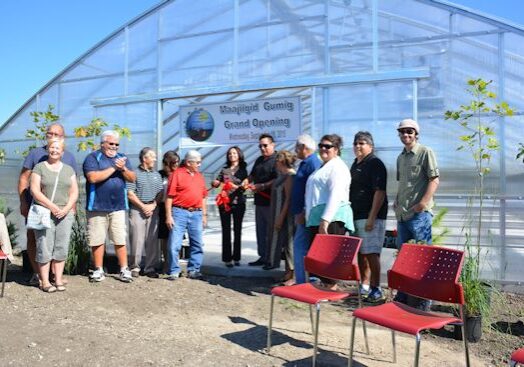
Food Sovereignty: Maajiigin Gumig & Lambton County Library Native Plant Kit