
Media Release: NFU-O Warns Conservation Authority Amalgamation Risks Undermining Decades of Localized Conservation Work
Treaty lands and territory of the Mississaugas of the Credit; Guelph, ON (March 13th, 2026) – The National Farmers Union – Ontario (NFU-O) is dismayed to hear that the Government of Ontario plans to move forward with the amalgamation of 36 regional Conservation Authorities (CA’s) into 9. This reduction is driven by a government mandate to support the building of new homes and infrastructure, and follows years of continued attempts to limit the reach of CA’s. This, coupled with recent laws and policy changes like the More Homes Build Faster Act (2022), and Protect Ontario by Building Faster and Smarter Act (2025), illuminate a short sighted approach that does not compensate for long-term environmental compromises and ultimately fails to implement best practice methodologies as defined by experts. While the revised proposal now requires regional CAs to establish Watershed Councils with Indigenous representatives and stakeholders from agriculture, the development industry, and other local sectors, there is still going to be a 75% reduction in the number of CA’s, and serious concerns around transparency, supports for farmers, and the integration of localized knowledge in decision making remain.
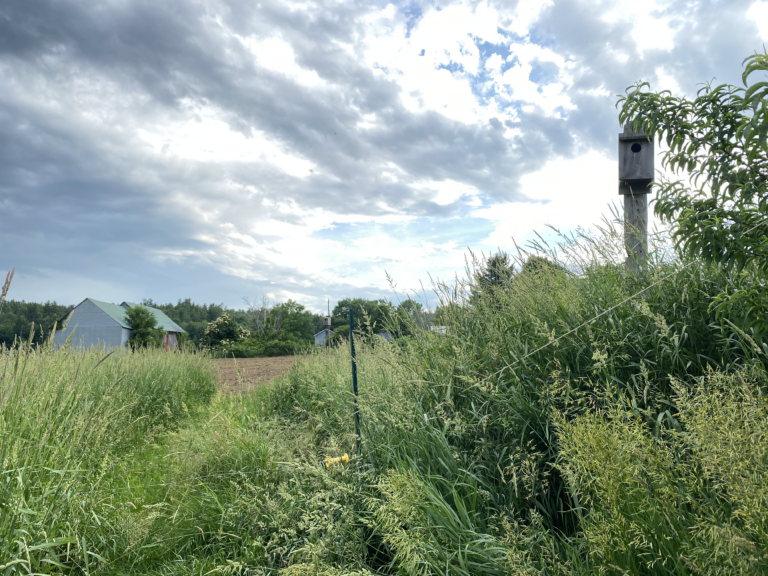
Farmers rely on CA’s as trusted partners in land and water stewardship. They provide technical expertise on erosion control, drainage management, flood prevention, and soil conservation. These relationships are built over years of collaboration between local staff, farmers, municipalities, and conservation groups. Amalgamation risks disrupting these relationships, reducing local capacity, and slowing response times when farmers need practical support on the ground. The NFU-O is particularly concerned that larger regional authorities will dilute rural and agricultural representation in decision-making. As authorities grow in size and jurisdiction, governance structures will become more centralized and less responsive to the communities most directly affected by land-use and water management decisions. While a Watershed Council accounts for agricultural stakeholders in an attempt to incorporate local voices in decision making, past experience shows that representation can be dominated by representatives from larger agricultural sectors. The NFU-O is adamant that agricultural stakeholders must reflect the full diversity of Ontario agriculture, including smaller-scale and equity-deserving farmers, and the new system must consult with all Accredited Farm Organizations to ensure adequate representation.
Local and Indigenous knowledge are essential to effective watershed stewardship and conservation management. Many CA’s have developed long-standing partnerships with Indigenous nations and local communities to support habitat restoration, water monitoring, and climate resilience initiatives. These relationships depend on trust and ongoing collaboration, and they will be harder to sustain within larger, more centralized governance structures. It is essential for these relationships to be upheld by retaining current staff members with years of localized knowledge, ongoing relationships, and experience.
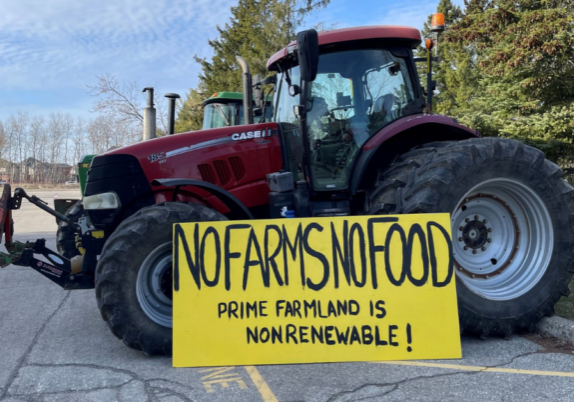
While the NFU-O recognizes the need for housing, we reaffirm our advocacy for sustainable, affordable housing that protects Ontario’s prime agricultural land and the conservation activities on these lands, stewarded by farmers, Indigenous communities, and local conservationists. We urge the Ontario government to ensure that the transition to regional CA’s preserves the local knowledge, transparency, and diverse farmer participation that are essential to sustainable land and water stewardship.
-30-
For more information:
Josh Suppan, President, National Farmers Union–Ontario
president@nfuontario.ca, 705-738-3993 – #2
These Press Releases might also interest you:
Media Release: NFU-O Demands Withdrawal of Bill 5

Media Release: Addition of the ‘Pickering Airport Lands’ to Rouge National Urban Park a Soaring Achievement, says National Farmers Union
Media Release: Minimum Wage Increases but Agricultural Workers are Still Excluded

The National Farmers Union – Ontario Digs Senate Recommendations to Publicly-fund Farmer-Informed Protection of Agricultural Soils
Media Release: Farmers are Eager to Clean up Lake Erie, will Governments Listen?
Media Release: Waterloo Region Plows Under Crops While Fields Burn Out West
NFU-O Declares Intimate Partner Violence an Epidemic in Ontario
Max Hansgen Acclaimed National Farmers Union – Ontario President / NFU Region 3 Coordinator for Second Term