
NFU-O Policy Position on the Alto High-Speed Rail Project
The National Farmers Union – Ontario (NFU-O) is deeply concerned that the current approach to the Alto high-speed rail project treats prime farmland, farm livelihoods, and ecologically sensitive lands as expendable. Based on concerns raised by members, communities, and our own policy review, NFU-O cannot support the project in its current form without clear, enforceable protections for farmland, farmers, farm businesses, water systems, and affected Indigenous and rural communities. Given these concerns, the NFU-O calls for a pause to further planning and demands proper consultation and a clear plan for farmland preservation and farmer compensation should lands be expropriated.
NFU-O supports strong public investment in transportation infrastructure, including better passenger rail. Ontario and Canada need affordable, low-emission, accessible transportation options, and decades of underinvestment in public rail should not be ignored. But good rail policy does not require bad farmland policy.
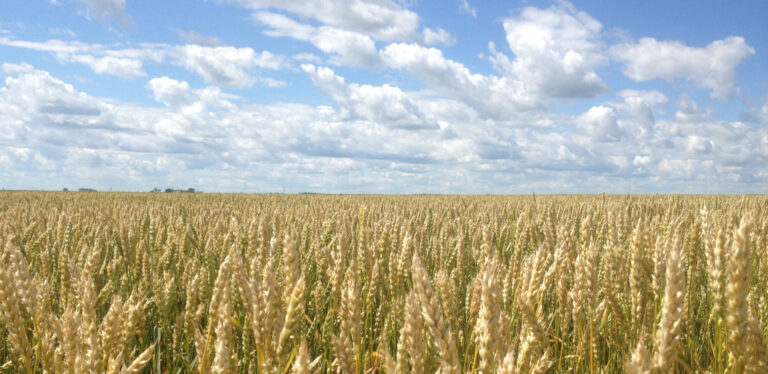
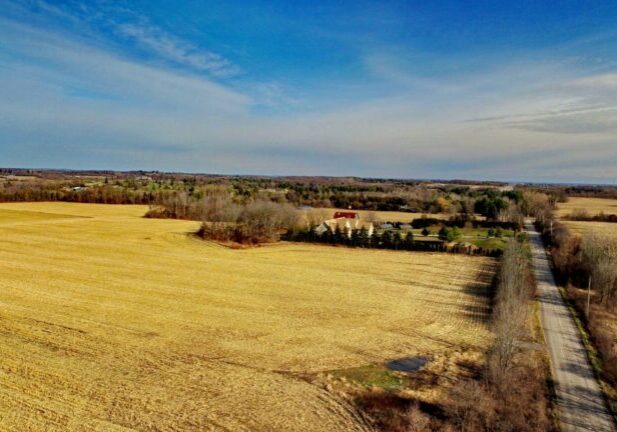
Farmland is not vacant land, and it is not an “empty corridor.” It is a strategic, finite, and irreplaceable public resource. Productive farmland supports livelihoods, local food production, rural economies, and long-term food security and the revitalization of Indigenous food ways.This is especially true where farms include orchards, perennial plantings, maple bush, woodlots, pastures, and other long-term agricultural investments that cannot simply be relocated. NFU-O rejects any planning framework that treats expropriation and fragmentation of farmland as routine or acceptable collateral damage.
NFU-O’s concerns with the Alto project fall into five main areas.
First, farmland loss and farm business impacts. The project’s need for long, relatively straight alignments creates obvious risks for expropriation, fragmentation of farm parcels, severed field access, disrupted drainage, dead-end roads, fencing, and permanent interference with farm operations. These impacts are not theoretical. NFU-O members have identified concerns about loss of access to orchards, maple production, woodlots, pasture, cropland and other critical working lands, as well as the harm that route uncertainty itself causes to long-term planning and investment.
Second, inadequate transparency and consultation. NFU-O is concerned by reports that many potentially affected landowners and communities have struggled to get timely, meaningful, and complete information about the project. Our review notes widespread concern about the rushed and poorly explained consultation process, the late release of corridor information, and the absence of key background studies, assumptions, and business-case materials needed for informed public scrutiny. This includes Free, Prior and Informed Consent (FPIC) ensuring respect for the authority of Indigenous nations impacted by the project. Meaningful consultation cannot be reduced to a map exercise after the big decisions are already baked in. The federal government says consultations are underway and that environmental, technical, and social factors will be considered before final route choices and impact assessment decisions. That is the promise; whether the process lives up to it is another matter.
Third, environmental and ecological impacts. NFU-O is especially concerned where potential corridors intersect prime farmland, wetlands, watersheds, forests, and other ecologically sensitive landscapes, including areas tied to the Oak Ridges Moraine and similar hydrologically important systems raised by members. Linear infrastructure can alter drainage, disrupt wildlife movement, affect habitat, and create lasting cumulative impacts on soil and water. A project marketed as climate-friendly cannot be allowed to externalize its costs onto farmland, wetlands, and biodiversity.
Fourth, public-interest and affordability questions. The project is promoted as transformational and as a major economic stimulus, with government materials citing large GDP and job benefits. At the same time, the scale and cost are enormous, and members have questioned whether the benefits will be equitably shared, especially by rural communities that may bear the land impacts without receiving local service or affordable access. NFU-O believes these are legitimate public-interest questions, not hearsay. Big-ticket infrastructure should face more scrutiny, not less.
Fifth, expropriation and democratic accountability. NFU-O is concerned by member reports and policy analysis pointing to changes related to nation-building legislation and expropriation powers, as well as the broader risk that extraordinary political momentum could weaken ordinary safeguards. Bill C-15 is currently before the Senate, following passage in the House of Commons on February 26, 2026. NFU-O’s position is simple: no infrastructure project, no matter how shiny its branding, should bypass rigorous protections for landowners, farmers, Indigenous rights, environmental review, or the public’s right to know.
For these reasons, NFU-O calls for the following:
- Farmland protection must be a starting principle, not an afterthought.
Avoidance of prime farmland and active farm operations must be a binding route-selection criterion.
- Existing transportation and infrastructure corridors must be prioritized.
Governments and Alto must demonstrate, with public evidence, why existing rail corridors, hydro corridors, or other less damaging alternatives cannot be used or upgraded before any new corridor through farmland is considered.
- No expropriation or route finalization without full public disclosure.
All business-case assumptions, route-selection criteria, land-impact analyses, agricultural impact assessments, and environmental studies should be made public in accessible form.
- Agricultural impact assessments must be mandatory.
These assessments must address fragmentation, biosecurity, access, drainage, irrigation, fencing, farm traffic, long-term perennial crops, maple production, and cumulative impacts on farm viability.
- Meaningful consultation and Free, Prior and Informed Consent (FPIC) must occur early, directly, and transparently.
Affected farmers, rural municipalities, Indigenous communities, and local residents must be notified directly and engaged before routes are narrowed, not after.
- Farmers must have full legal, technical, and financial support.
Potentially affected landowners should have access to independent advice funded by the project proponent, not be left to decipher a megaproject on their own dime.
- No weakening of environmental assessment or expropriation safeguards.
Fast should not mean reckless. If the project cannot proceed while respecting due process, then the problem is the project design, not the law.
- The burden of proof must rest with Alto and governments.
They must demonstrate that this project serves the public interest better than lower-impact alternatives, and that the benefits justify the irreversible loss or impairment of farmland and rural livelihoods.
NFU-O believes Canada needs better rail. But Canada also needs farmland, farm families, rural communities, and living landscapes that can continue producing food for generations. These are not competing afterthoughts; they are part of the same public interest.
A truly responsible transportation strategy would reduce emissions and improve mobility without sacrificing prime farmland, vulnerable ecosystems, democratic accountability, or the viability of family farms. Until that standard is met, NFU-O remains opposed to the current Alto approach and calls on federal and provincial decision-makers to pause, disclose, reassess, and redesign accordingly.
These Policies and Briefs might also interest you:
Letter to the City of Pickering: National Farmers Union – Ontario requests that you vote NO to the Northeast Pickering Secondary Plan
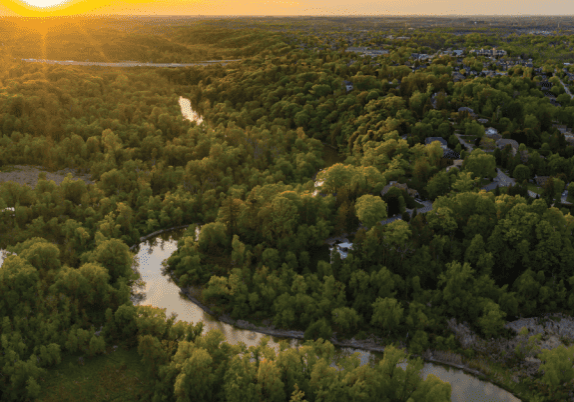
NFU-O Calls on Transport Canada to Permanently protect the Pickering Lands
A Vision for a Regional Food Hub on the Federal Pickering Lands
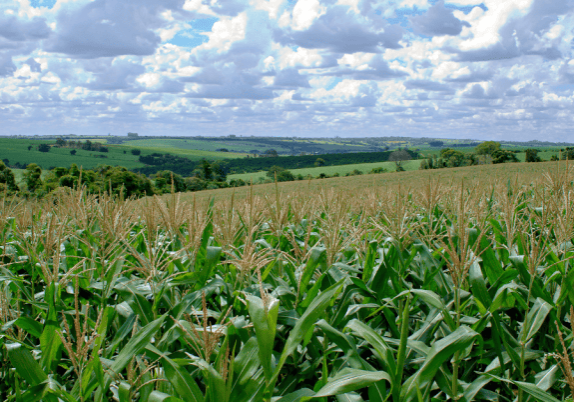
Re: ERO 025-1099 Consultation on simplifying and standardizing official plans and ERO 025- 1097 Proposed Changes to the Planning Act (Schedule 10 of Bill 60 – the Fighting Delays, Building Faster Act, 2025)
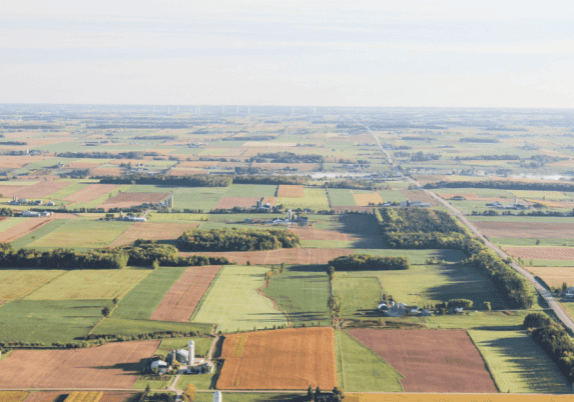
Re: ERO 025-1077 Consultation on Proposed Special Economic Zones Criteria

Re: ERO #025-1077 – Consultation on Proposed Special Economic Zones Criteria

Re: ERO 025-0908 – Developing guidance on section 16 activities under the Species Conservation Act, 2025

Re: ERO 025-0909 – Proposed legislative and regulatory amendments to enable the Species Conservation Act, 2025.